
Nylon Arch Support
Supports the midfoot to improve balance, distribute pressure, and reduce fatigue during extended court play.
 Vietnam Insole Manufacturer | OEM & ODM Services | Datong & Bangni
Vietnam Insole Manufacturer | OEM & ODM Services | Datong & Bangni
Vietnam Insole Manufacturer | OEM & ODM Services | Datong & Bangni


Court & Team Sport Insoles are developed for tennis, basketball, volleyball, badminton, and other multidirectional sports. They provide lateral stability, torsion control, responsive cushioning, and impact protection for rapid cuts, pivots, jumps, and acceleration.
Available for OEM/ODM customization in materials, structure, colors, branding, and packing
Performance Customization
Arch profile, cushioning hardness, rebound, torsion control and stability zones.
Material Customization
PU, EVA, PORON®, TPU, nylon, carbon fiber and functional top covers.
Brand Customization
Colors, logos, graphics, fabric textures, packaging and private molds.
Production Support
Material selection, CAD development, prototyping, testing and mass production.


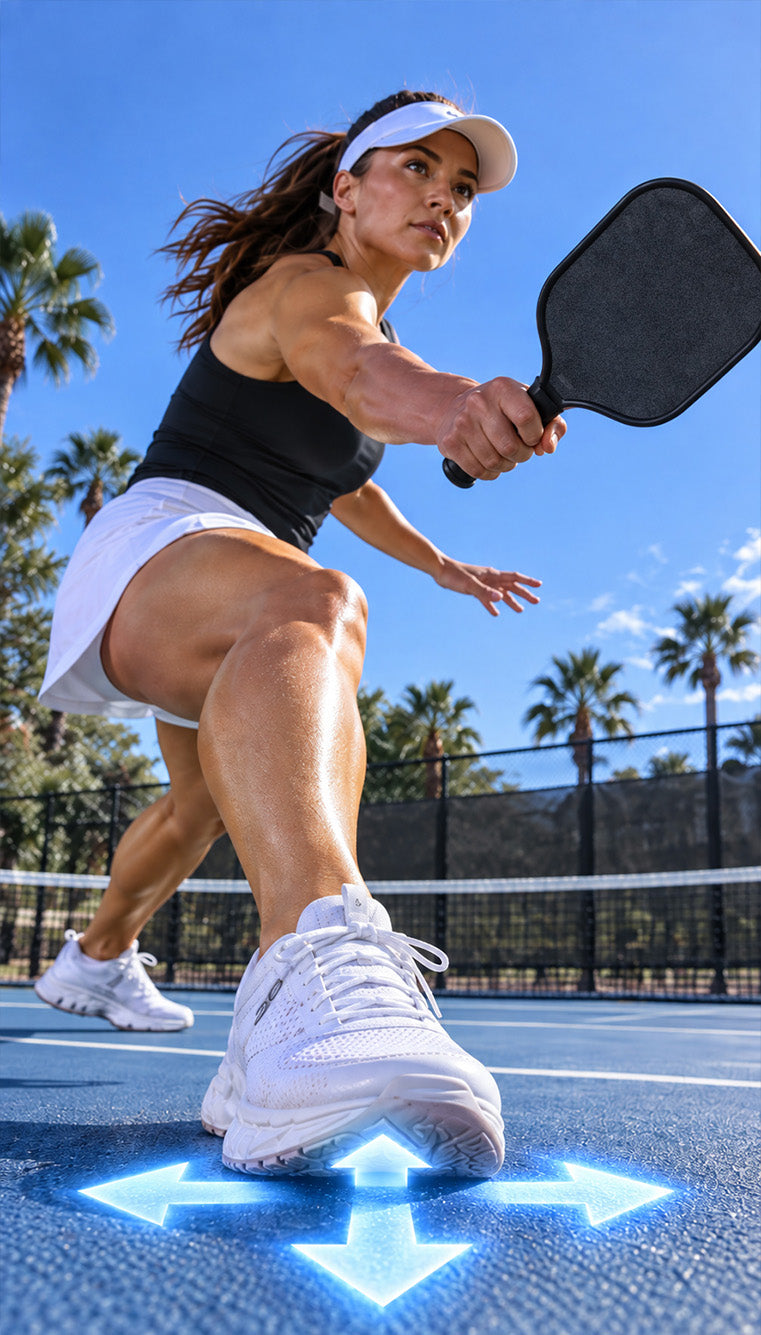
Supports the midfoot to improve balance, distribute pressure, and reduce fatigue during extended court play.

The X-frame reinforces the midfoot and resists torsional forces during lateral cuts, pivots, and sudden direction changes.

Lightweight, high-rebound cushioning delivers responsive energy return while absorbing repeated court impact.

High-density EVA creates a stable forefoot base for aggressive stops, lateral pushes, and quick re-acceleration.

Targeted PU cushioning absorbs repeated impact and provides lasting comfort throughout extended court play.

Cradles the heel to reduce in-shoe movement and improve rearfoot stability during rapid stops and side-to-side play.

IDEA

CAD

MATERIAL

PROTOTYPE

TEST

MASS PRODUCTION

QUALITY CONTROL
Share your target market, shoe type and performance requirements with our team.
Yes. A shared base platform can often be adapted through cushioning hardness, rebound zones, support geometry, torsion control and thickness. For example, basketball and volleyball may prioritize landing impact, while tennis and pickleball place greater emphasis on lateral movement and rapid direction changes.
There is no single best combination. EVA, PU or high-rebound foams can provide cushioning, while TPU, nylon or carbon fiber structures can improve midfoot stability and torsional control. The final construction should match the sport, shoe design, performance target and cost.
We combine material and finished-insole testing with sample approval before production. Key checks can include hardness, rebound, compression durability, flex resistance, bonding strength and dimensional stability, with production controlled against the approved specification.
Yes, but fit depends on the shoe’s internal volume and original sockliner. The thickness, heel cup, arch profile and forefoot volume should be matched to the target shoe to maintain a secure fit without reducing necessary foot space.
For our current programs, MOQ typically starts from 500 pairs for EVA-based insoles and 2,000 pairs for PU-based insoles. Prototype development normally takes around 15–20 working days, while bulk production is typically 5–6 weeks, depending on materials, tooling and customization requirements.
